The role of amino acids in some forms of mito
15 Jun, 2026
On May 9, 2026, International Mito Patients was represented at the Cognate Amino Acid for tRNA Synthetase Disorders Consortium meeting held in hybrid format at Children’s Hospital of Philadelphia. The two-day scientific meeting brought together clinicians, researchers, industry representatives, and patient advocates to discuss clinical trial design, amino acid treatment strategies, outcome measures, database creation, and future therapeutic approaches for tRNA synthetase disorders.
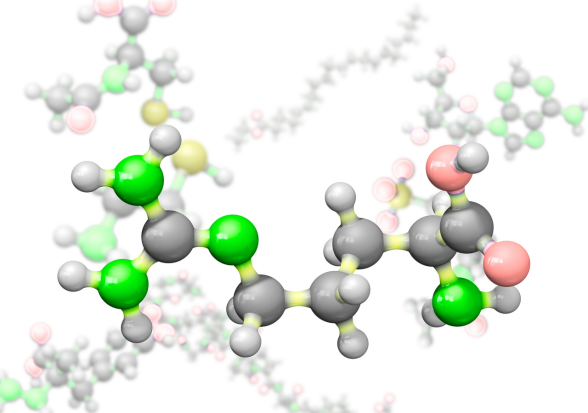
The intention was to gain international consensus on how to approach treating a group of genetic disorders caused by mutations in ARS1/ARS 2. They are not all Mito, but many of them are.
During the session dedicated to “Patient Priorities and Perspectives,” Paula Morandi, as Chair of IMP, spoke on behalf of the international mitochondrial disease community, emphasising the importance of designing research around the realities patients and families face every day.
A central theme of the intervention was the heterogeneity of tRNA synthetase disorders. While these conditions are often grouped together clinically, patients experience very different disease courses, ages of onset, organ involvement, and responses to treatment. The speech highlighted the need for clinical trials that accommodate this complexity rather than excluding patients who do not fit narrow criteria.
The intervention also addressed inequalities in access to amino acid treatments, noting that some families can obtain therapies through specialist centers or informal pathways while others face barriers related to cost, regulation, or geography. Another key message concerned outcome measures: patients do not experience disease as laboratory values, but through daily realities such as mobility, school attendance, independence, and avoidance of hospitalisation. For many families, maintaining stability or slowing progression represents a meaningful success.
The importance of reducing the practical burden of trial participation was also emphasised. Families managing medically fragile patients often struggle with frequent travel, demanding protocols, and disruptions to carefully maintained clinical stability. More flexible approaches, including remote monitoring and alignment with routine care, were identified as essential for meaningful participation.
Finally, the speech called for stronger partnerships between researchers and patient organisations, stressing that patients want to contribute not only data, but also their perspectives in shaping protocols, defining outcomes, and supporting long-term research efforts. The intervention concluded with a reminder that patients are not asking for lower scientific standards, but for research that better reflects the urgency and realities of life with progressive rare diseases.