MitMED – Building a European Centre of Excellence in Mitochondrial Medicine
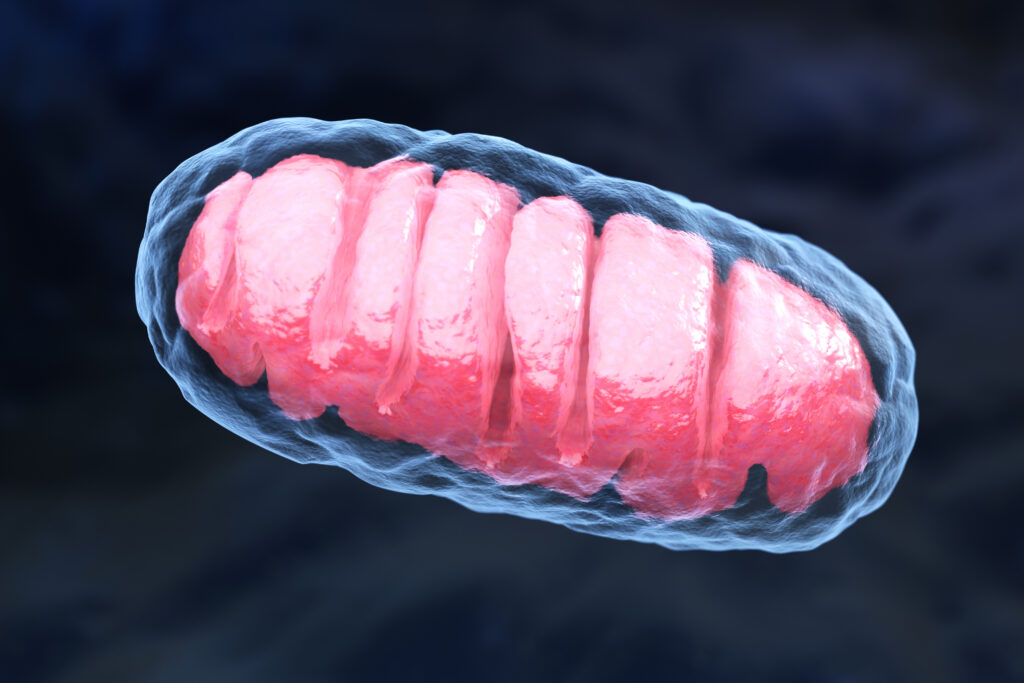
Mitochondria are central regulators of cellular life, integrating metabolism, signalling, stress responses and cell fate. Their dysfunction, notably at the level of their genome (mtDNA)underlies hundreds of rare genetic disorders and contributes decisively to highly prevalent and devastating conditions such as neurodegenerative and cardiovascular diseases, diabetes, cancer and ageing. Despite their enormous clinical and socioeconomic relevance, mitochondria remain one of the most underexploited therapeutic and diagnostic frontiers in contemporary medicine, as research and development efforts have largely focused on downstream mechanisms while the mitochondrial dimension—often causal, actionable and common across multiple pathologies—has received limited translational attention. It is in response to this gap that MitMED is submitted under the Horizon Europe Teaming for Excellence action, a call designed to create and modernise Centres of Excellence in widening countries through partnerships with internationally leading institutions. Through this programme, MitMED seeks European support to establish a durable, internationally competitive ecosystem in mitochondrial medicine. If funded, the initiative would deliver the structural conditions needed for long-term leadership, sustainable impact and a step-change in Portugal’s capacity to address mitochondrial disorders.
Portugal, and particularly the Centro region, hosts internationally recognised expertise in mitochondrial biology and patient care, yet fragmentation between laboratory research, hospital practice and industrial innovation continues to constrain the transformation of knowledge into solutions that reach patients and markets. Limited critical mass, under-integrated infrastructures, insufficient technology-transfer pathways and challenges in attracting top international talent have prevented the emergence of a consolidated ecosystem comparable to leading European centres. If funded, MitMED would address these limitations by establishing a Centre of Excellence in Mitochondrial Metabolism and Medicine at the University of Coimbra (UC, one of the Oldest Universities in Europe), creating a permanent environment that integrates fundamental science, advanced diagnostics, translational pipelines and industrial collaboration within a coordinated institutional framework. Rather than supporting isolated projects, the initiative proposes to build the human, technological and organisational foundations necessary for sustainable excellence and global competitiveness.
Implementation would rely on a strategic partnership with Radboud University Medical Center in the Netherlands and Newcastle University in the UK, two world leaders in mitochondrial medicine. Their contribution would extend beyond scientific collaboration to include joint strategic planning, participation in governance structures, transfer of best practices in clinical translation, advanced training and mobility programmes, and co-development of innovation and funding strategies. If funded, these institutions would operate as interconnected nodes of an emerging European hub that strengthens the field as a whole and positions Portugal as a reference country in mitochondrial medicine.
Nationally, MitMED would work in close integration with ULS Coimbra, the centralized infrastructure of public healthcare services in the region, ensuring continuous alignment between discovery-oriented research and real clinical needs, access to patient cohorts and opportunities for investigator-initiated and industry-sponsored trials. Collaboration with Instituto Pedro Nunes, an award-leading UC spin-off incubator and BIOCANT Park, a biotechnology park located in Cantanhede, close to Coimbra would reinforce the innovation dimension, offering expertise in incubation, technology maturation, regulatory navigation and engagement with industrial partners, thereby accelerating the translation of research findings into market-ready solutions.
MitMED would recruit new international group leaders to join established teams, creating a multidisciplinary environment spanning bioenergetics, genetics, omics sciences, imaging, computational biology and clinical research. Stable career paths, competitive conditions and strong international exposure would make Coimbra an attractive destination for researchers and clinician-scientists working at the interface of science and medicine. The new Centre of Excellence at UC would also consolidate shared technological platforms, including genomic sequencing, metabolomics, advanced microscopy, bioenergetics analysis and artificial intelligence-driven data integration. Professionally managed and centralised, these platforms would ensure efficiency, reproducibility and high-quality services for internal and external users, while enabling collaborations with industry and healthcare providers.
A defining feature of MitMED would be the establishment of mechanisms that secure systematic translation of results. Promising discoveries would be assessed for intellectual property protection, regulatory alignment, validation strategies and investment readiness. Dedicated support would promote licensing, co-development agreements, spin-off creation and participation in European innovation instruments, embedding entrepreneurship into the Centre’s culture. Continuous bidirectional interaction between laboratories and clinics would allow patient observations to guide research priorities and research results to return quickly to clinical application, supporting the development of innovative diagnostics, biomarker pipelines and therapeutic approaches that can be implemented within the national health system.
MitMED would also invest in education and capacity building, training a new generation of researchers, certified clinician-scientists and specialised professionals capable of operating across the scientific, medical and innovation dimensions of mitochondrial medicine. By reinforcing human capital, the Centre would contribute to scientific excellence and long-term economic resilience. Its broader impact would extend far beyond academic output: regional competitiveness would be strengthened, biotechnology ventures stimulated, international investment attracted and high-skilled employment generated. Open infrastructures and public engagement initiatives would ensure that the societal return on public investment is maximised and that advanced medical solutions become more equitably accessible.
If funded under Horizon Europe Teaming for Excellence, MitMED would establish a lasting Centre of Excellence capable of driving scientific innovation, improving patient outcomes and contributing to sustained societal and economic development. We hope the EU evaluators share our vision towards the future of mitochondrial medicine.