
Thank you to everyone who took part in World Mitochondrial Disease Week 2026 and helped us Put Mito on the Map.
From sharing personal stories, adding pins to the Global Mito Map and organising events to lighting up landmarks and supporting research, every action helped make mitochondrial disease more visible around the world. We are incredibly grateful to our community, partners and supporters for coming together and making this week so meaningful.
Although Mito Week has ended, our work continues. Please keep sharing, learning and raising awareness throughout the year.
More information about World Mitochondrial Disease Week 2027 will be coming soon.

World Mitochondrial Disease Week, held from 14 to 20 September 2026, raises awareness about mitochondrial diseases (mito). It aims to improve the lives of people affected by mito and to increase awareness among doctors and the general public.

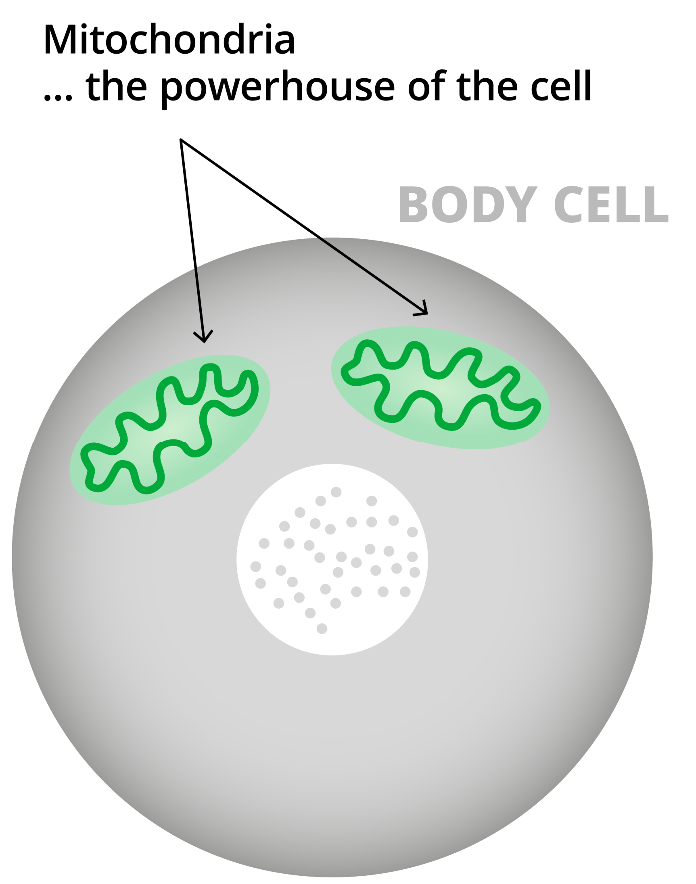
What is Mitochondrial Disease?
Most people have never heard of mitochondrial disease. Once considered rare, it is now thought to affect 1 in 5000 people, making it the second most commonly diagnosed, serious genetic disease after cystic fibrosis. Researchers have discovered links between mitochondrial dysfunction and other conditions including Alzheimer’s disease, Parkinson’s disease, diabetes, cardiac issues and some cancers.
Scientists believe that by focusing on mitochondrial dysfunction, they may be able to devise effective treatments and potential cures for mito and help the millions of people who suffer from the above-mentioned diseases.
Mark your calendars for the 14 - 20 September 2026
and take part in World Mitochondrial Disease Week 2026!
Be creative and raise awareness about World Mitochondrial Disease Week, spread the word amongst your friends, family and others. Post your events using the form on our website and use social media to make your personal World Mitochondrial Disease Week a success, don’t forget to use the official hashtags #WorldMitoWeek2026 and #PuttingMitoOnTheMap so everyone can see your contribution!

This year’s official World Mitochondrial Disease Week theme is:
Putting Mito on the Map
Mitochondrial disease affects people around the world, yet awareness, understanding, and recognition of mito remain limited in many communities. This year’s theme focuses on making mitochondrial disease more visible globally by amplifying patient voices, strengthening awareness, supporting advocacy, and connecting people across borders. “Putting Mito on the Map” is about ensuring that no person living with mito feels unseen, unheard, or isolated, no matter where they live.
The campaign highlights the importance of global collaboration between patients, families, healthcare professionals, researchers, organisations, and advocates to improve diagnosis, care, support, and research. Through shared stories, awareness activities, education, and community action, World Mitochondrial Disease Week aims to help make mito recognised, understood, and prioritised worldwide.

Mitochondrial disease affects people everywhere.
The Global Mito Map brings this year's theme, Putting Mito on the Map, to life by creating a visual picture of the worldwide mito community. Through patient stories, organisations, events, awareness activities, research projects, and Light Up for Mito locations, the map showcases the people, places, and initiatives helping to raise awareness and drive change. As more pins are added, the map becomes a powerful reminder that mito is a global issue affecting communities around the world. Together, we can make mitochondrial disease more visible, recognised, and understood.
Every pin tells a story and every contribution helps Put mito on the Map.
Place your pin. Join the movement.


What the pins mean:

Patient Stories
Real experiences from people living
with mito around the world

Patient Organisations
Explore IMP members from
around the world

Light Up for Mito
Landmarks, buildings, and homes
lighting up green in solidarity

Research & Collaborations
Scientific work and partnerships
advancing mito understanding

Events & Awareness Activities
What's happening near you during
World Mitochondrial Disease Week
The map grows with every contribution.
As organisations, advocates, patients, families, and researchers add their
pins, it becomes something bigger than a campaign tool
- a living, real-time picture of a global community refusing to be overlooked.
The map aims to build a global picture of the inspiring work and activities taking place across the worldwide mito community. Please note that the inclusion of a research project does not imply endorsement by IMP or indicate that IMP is involved in or partnering on the project.
Add your pin and Put Mito on the Map!

Key messages
References
The following sources informed the statistics and claims included in this document. Organisations using these key messages are encouraged to verify figures against the most current published data and supplement with locally relevant statistics where available.
[1] Gorman GS, et al. Prevalence of nuclear and mitochondrial DNA mutations related to adult mitochondrial disease. Ann Neurol. 2015;77(5):753–759. [Estimated 1 in 5,000 prevalence]
[2] Mitochondrial Disease Foundation. What is Mitochondrial Disease? Available at: www.mitoaction.org [Any organ, any age, any symptom]
[3] Bogart KR, Rottenstein A, Loewy M, Supples M. Patients with rare diseases experience higher rates of anxiety, depression and social isolation. Orphanet J Rare Dis. 2019. [Mental health impact in rare disease]
[4] Parikh S, et al. Patient care standards for primary mitochondrial disease: a consensus statement from the Mitochondrial Medicine Society. JIMD Rep. 2017;32:1–97. [Emerging treatments and research priorities]
TK2d Awareness Day

Save the Date for TK2d Awareness Day - Tuesday 8 September
Thymidine kinase 2 deficiency (TK2d) is a debilitating and life-threatening genetic disease that causes progressive and severe muscle weakness.Many patients lose the ability to walk, eat, and breathe independently.
Join us in raising awareness about TK2d!
Since TK2d Awareness Day 2025, a new therapy has been approved by the FDA in the USA and EMA in Europe. This huge step forward, will bring the first effective treatment for TK2d closer tpatients who desperately need it. This drug has been shown to have life-changing results, giving real hope to the TK2d community and beyond.
LHON Awareness Day

Mark your calendars for LHON Awareness Day - Saturday 19 September!
Join us for a free interactive LHON Awareness Day Webinar at 13:00-15:00 CEST.
Learn about the new Best Practices in LHON and hear from members of the LHON community.
LHON stands for Leber’s Hereditary Optic Neuropathy or Leber Optic Atrophy. It is a type of mito caused by a change in the function of mitochondria, which are the energy producing organelles.
In LHON the optic nerve is particularly vulnerable to mitochondrial defects because of the high-energy requirements and the need to keep the retina transparent to light.
LHON has a prevalence of 1/25,000 to 1/50,000 and it is more frequent in males.
Help us shine a light on LHON, which affects many lives.
Light Up for Mito

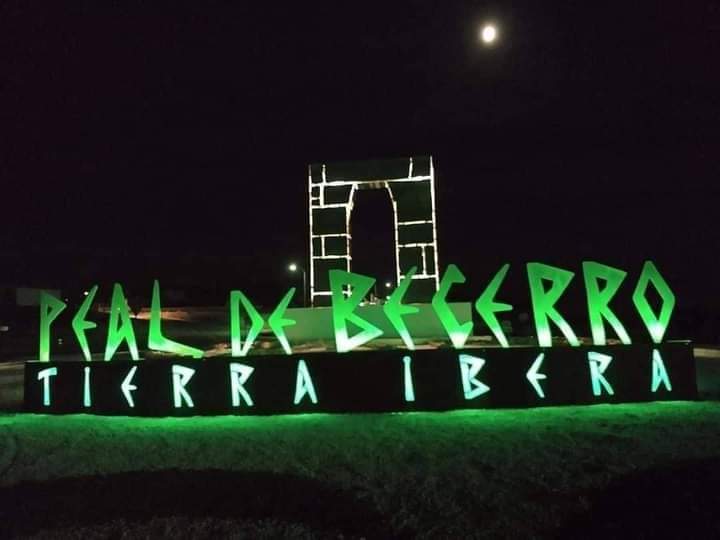
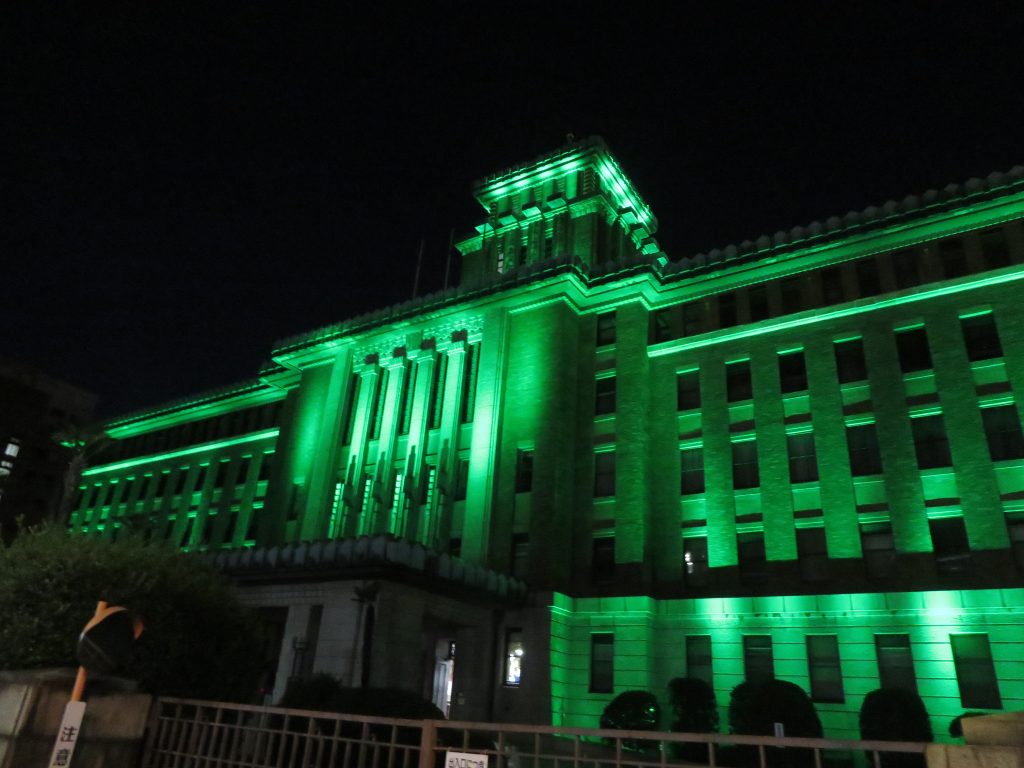
On Saturday 19 September, landmarks, buildings, and monuments around the world lit up green to shine a light on mitochondrial diseases.This powerful global display raises visibility, sparks conversations, and shows solidarity with the mito community.

How You Can Take Part
Invite a local building or monument to join the next Light Up for Mito campaign. Use our editable invitation letter to make your request simple and effective.
Want to spread the word even further? Personalise our press release and share it with your local media to help raise awareness in your area.
You can also Light Up Your Home! Want to raise awareness with your neighbours? Buy a green light bulb (or use your Smart light) and turn your door or windows into a green awareness raiser! Talk to your local community about why your home has gone mito green!
See who’s lighting up
Check out our global map to find participating locations or add your own. Let’s fill the world with green and raise awareness together.
Together we can shine a light on mitochondrial diseases. Every light matters. Every voice helps. Join us this September and be part of something that makes a difference.
This beautiful visual spectacle aims to spark conversations, raise awareness, and ignite a sense of solidarity within our communities.
Join us and ask your local monuments to participate in the campaign.
Raise awareness by sharing your photos on social media using #LightUpForMito and #WorldMitoWeek2026
Resources
Personal Stories
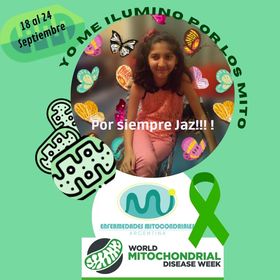
"Faces of Mito" - Read inspirational stories of people's experiences with mito.
We want to shine a spotlight on the strength of people with mito and their families. We share many stories on our Facebook and Instagram throughout the year. If you want to be part of the campaign, please email us with your stories and photos.


Get involved
Make a difference during the World Mitochondrial Disease Week 2025 by actively participating in or organising a mito event.
Every contribution counts towards making a long-lasting change!
Whether you host a small or big gathering, start a local support group, or find unique ways to raise awareness about mitochondrial diseases, let's spread the word and make 14 - 20 September an unforgettable week!
How else can you get involved?
 Share our logo
 - Use mito resources and translate/adapt them to your digital channels
- Share your activities on the social channels
- Get involved in hosting your Light Up for Mito - read more here
- Get involved in TK2d Awareness Day
- Get involved in LHON Awareness Day
- Use the official #WorldMITOWeek2026 and #PuttingMitoOnTheMap on social media
- Spread the word and make 14-20 September a memorable week!

World Mitochondrial Disease Week 2026 was hosted by International Mito Patients (IMP). We support the efforts of our members around the world to raise as much awareness as possible!
















Thank you to our World Mitochondrial Disease Week supporters.



Get in touch
Please contact Jo with any questions: jodebry@mitopatients.org
Click here to send us information about your events, Faces of Mito or Light Up for Mito activities.